The modern digital age has brought unprecedented access to online content, including pornography. While this topic often carries stigma, understanding the neurochemical processes behind compulsive pornography use is crucial for recognizing its potential impact on mental health. This journey from dopamine dysregulation to depression represents a complex interplay of brain chemistry that affects millions worldwide.
Understanding the Brain's Reward System
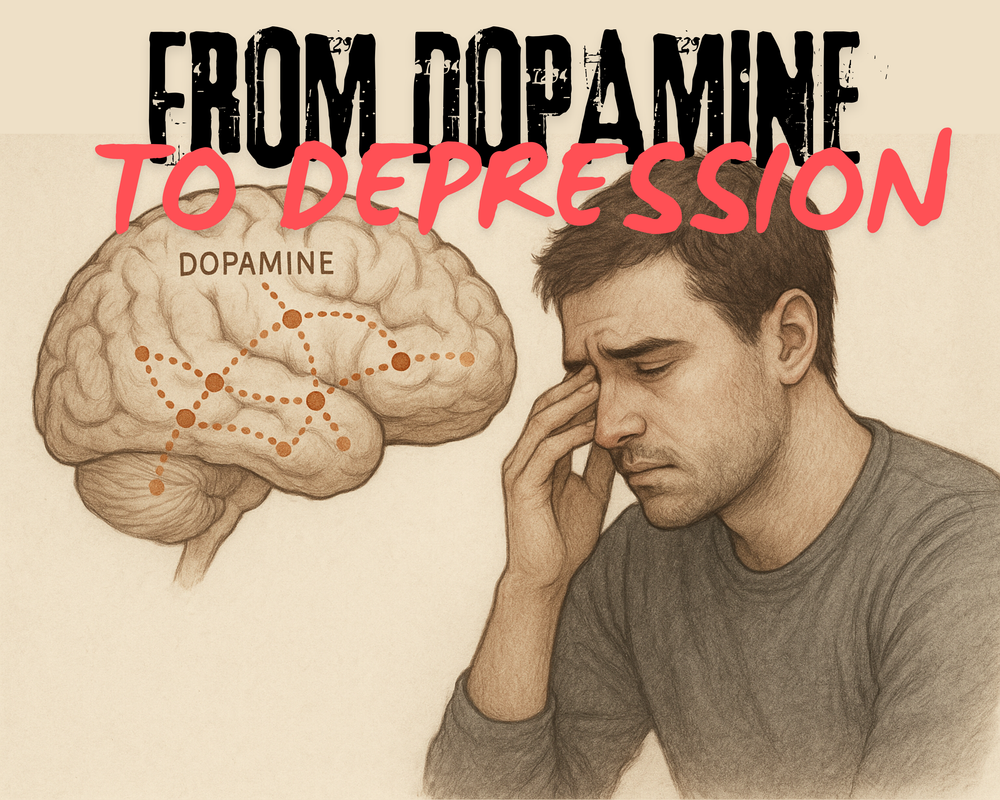
Our brains are equipped with sophisticated reward systems designed to motivate behaviors essential for survival and well-being. At the center of this system lies dopamine, a neurotransmitter often misunderstood as simply the "pleasure chemical." In reality, dopamine primarily drives anticipation and motivation rather than pleasure itself.
When we engage in rewarding activities, dopamine is released in key brain regions, particularly the dorsomedial striatum and dorsolateral striatum. These areas work together to reinforce behaviors through learning and habit formation. However, this same system that helps us survive can become hijacked by artificial stimuli that provide unnaturally intense dopamine surges.
The brain's reward circuitry evolved to respond to natural rewards like food, social connection, and reproduction. Modern pornography, however, provides hyper-stimulating triggers that lead to unnaturally high levels of dopamine secretion, potentially damaging the dopamine reward system and leaving it unresponsive to natural sources of pleasure.
The Neurochemical Cascade of Compulsive Use
Initial Exposure and Sensitization
When someone first encounters pornographic content, their brain experiences a significant dopamine release. This neurochemical response creates what researchers call "sensitization to cues" - where the brain begins associating not just the content itself, but also related environmental factors with reward anticipation.
Studies have shown that compulsive internet pornography users develop enhanced preferences for conditioned cues that are completely unrelated to sexual content, creating associations that can be extremely challenging to extinguish. This means that everyday objects or situations can trigger cravings, making recovery particularly difficult.
The Tolerance Trap
As exposure continues, the brain adapts to these intense dopamine surges through a process called tolerance. The reward system becomes less sensitive to stimulation, requiring increasingly intense or novel content to achieve the same neurochemical response. This phenomenon explains why users often escalate to more extreme content over time.
Research indicates that when the brain is constantly in a state of arousal, it begins to shut down its release of dopamine to protect itself from overstimulation. Since dopamine is responsible for pleasure, satisfaction, and motivation, this shutdown can lead to feelings of moodiness, fatigue, and lack of motivation.
The Coolidge Effect and Novelty Seeking
The preference for novelty in sexual stimuli, known as the "Coolidge effect," becomes particularly problematic in the context of internet pornography. Unlike real-world sexual experiences, online content provides unlimited access to novel stimuli, continuously triggering the brain's reward pathways in ways that natural experiences cannot match.
This constant novelty-seeking behavior reinforces compulsive patterns and makes it increasingly difficult for individuals to find satisfaction in real-world relationships and activities.
The Path from Reward to Depression
Anhedonia and Emotional Numbness
One of the most significant consequences of dopamine system dysregulation is anhedonia - the inability to feel pleasure from activities that were once enjoyable. This core symptom of depression emerges when the brain's reward circuitry becomes so desensitized that normal levels of dopamine no longer bring about happiness or fulfillment.
Individuals experiencing this neurochemical shift often report that everyday activities feel dull and unmotivating, contributing to the pervasive sense of emptiness characteristic of depression. The very system designed to motivate and reward becomes a source of emotional flatness.
Isolation and Social Withdrawal
Compulsive pornography use often leads to increased isolation for multiple reasons. People may withdraw for privacy, due to feelings of shame, or simply because they lack the motivation that comes from healthy dopamine function. This isolation can create a vicious cycle where loneliness drives further compulsive behavior, which in turn increases feelings of shame and social disconnection.
Research has found significant relationships between compulsive pornography use and various mental health parameters, including depression, anxiety, and stress in both males and females. The study revealed that 17.0%, 20.4%, and 13.5% of students reported severe or extremely severe levels of depression, anxiety, and stress, respectively, with compulsive pornography use significantly affecting all three areas.
Cognitive and Emotional Dysregulation
Beyond mood changes, compulsive pornography use affects cognitive function and emotional regulation. Users often exhibit impaired decision-making, preferring short-term gains over long-term benefits. They may also struggle to accurately perceive the negative consequences of their behavior, creating a disconnect between personal values and actions.
The emotional dysregulation that accompanies dopamine system disruption can make individuals more likely to reach for pornography as a coping mechanism when facing uncomfortable emotions, further entrenching the addictive cycle.
The Neuroplasticity Factor: Hope for Recovery
Despite the concerning effects of compulsive pornography use on brain chemistry, there's reason for optimism. The same neuroplasticity that allows harmful patterns to develop also enables recovery and healing.
Brain Recovery Mechanisms
Research shows that with appropriate intervention and sustained abstinence, the brain can begin to restore its natural dopamine function. This process involves:
- Resensitization of dopamine receptors
- Restoration of natural reward processing
- Rebuilding of healthy neural pathways
- Recovery of emotional regulation capabilities
Treatment Approaches
Effective treatment for compulsive pornography use often involves multiple approaches:
Psychotherapy: Acceptance and commitment therapy, cognitive-behavioral therapy, and other evidence-based treatments help individuals develop healthier coping mechanisms and address underlying emotional issues.
Dopamine Regulation: Some treatment approaches focus on helping individuals reset their dopamine systems through structured activities and lifestyle changes that promote natural reward processing.
Addressing Co-occurring Conditions: Since compulsive pornography use often co-occurs with depression and anxiety, comprehensive treatment addresses these interconnected mental health challenges.
Breaking the Cycle: Practical Steps Forward
Understanding Personal Triggers
Recovery begins with recognizing the environmental and emotional cues that trigger compulsive behavior. This might include specific times of day, emotional states, or even seemingly unrelated environmental factors that have become associated with pornography use.
Building Natural Reward Systems
Rebuilding healthy dopamine function involves engaging in activities that provide natural, sustainable pleasure and satisfaction. This might include:
- Physical exercise and outdoor activities
- Creative pursuits and hobbies
- Meaningful social connections
- Achievement-oriented goals
- Mindfulness and meditation practices
Professional Support
Given the complex neurochemical nature of compulsive pornography use, professional support is often essential for successful recovery. Mental health professionals who understand the neuroscience of addiction can provide targeted interventions that address both the behavioral and neurochemical aspects of the condition.
Your path forward
The journey from dopamine dysregulation to depression in compulsive pornography use represents a complex neurochemical process that affects millions of individuals worldwide. Understanding this process is crucial for reducing stigma, promoting effective treatment, and supporting recovery.
While the effects of compulsive pornography use on brain chemistry can be significant, the brain's remarkable capacity for healing and adaptation offers hope. With proper understanding, support, and intervention, individuals can recover their natural reward systems and rebuild fulfilling lives.
The key lies in recognizing that this isn't simply a matter of willpower or moral failing, but rather a neurochemical challenge that requires compassionate, science-based approaches to healing. By understanding the brain science behind compulsive behaviors, we can develop more effective strategies for prevention, treatment, and recovery.
If you or someone you know is struggling with compulsive pornography use and its mental health effects, remember that help is available and recovery is possible. The brain's capacity for healing, combined with appropriate support and treatment, can restore both neurochemical balance and overall well-being.


