Search This Blog

Showing posts with label anxiety disorders. Show all posts

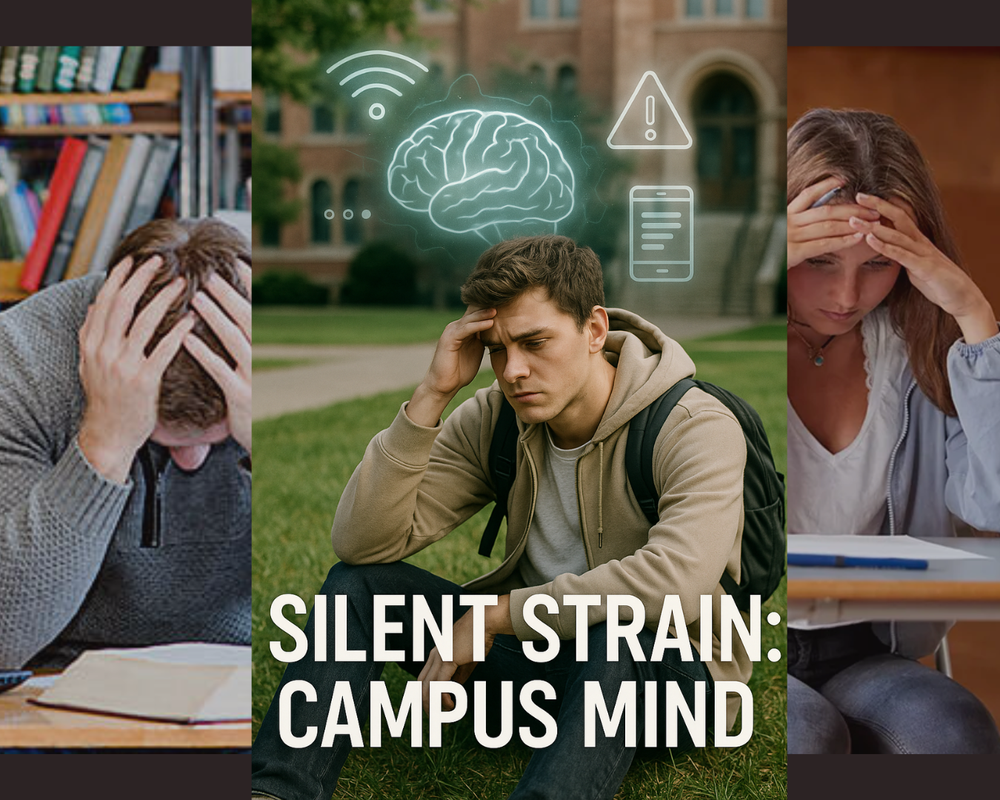
THE SILENT STRAIN: PORNOGRAPHY'S HIDDEN ROLE IN CAMPUS MENTAL HEALTH

Student depression and anxiety are escalating to crisis levels on campuses nationwide. While academic pressures, financial stress, and social transitions are frequently discussed, a less examined factor quietly exacerbates this crisis: compulsive pornography use. Research reveals troubling connections between pornography consumption and deteriorating mental health among students, mediated by loneliness, shame, and neurological disruption.


The Data Speaks

Multiple studies paint a consistent picture:

  • Students using pornography daily report depression rates nearly double those of non-users (32% vs 19%) and loneliness at 36% vs 20%.

  • Among students exhibiting compulsive use, 17% report severe/extreme depression, 20.4% experience clinical anxiety, and 13.5% show high stress levels.

  • A structural analysis of Iranian students found loneliness mediates 54% of pornography's depressive impact, creating a self-reinforcing cycle.

These figures aren't mere correlations. Neurobiological mechanisms explain them: pornography triggers dopamine surges that provide temporary relief from anxiety but disrupt natural reward pathways. Over time, users develop tolerance, requiring more extreme content for the same effect while experiencing withdrawal symptoms like irritability and low mood when abstaining. This creates a neurological trap where pornography becomes a maladaptive coping mechanism.


The Loneliness Loop

University life, despite its apparent social buzz, can be profoundly isolating. Students struggling with pornography often experience what researchers' term "digital dissociation" – using online content to numb emotional pain, which ironically deepens disconnection. As one study notes:

“By crowding out opportunities for meaningful connection, frequent use exacerbates users' sense of isolation. This isolation then fuels further consumption as a coping mechanism".

The isolation isn't just physical. Students describe feeling "emotionally blank" after sessions, struggling with concentration and academic engagement. This creates academic consequences that compound stress, feeding the very anxiety pornography temporarily alleviates.


The Self-Esteem Crisis

Pornography's curated fantasies breed unrealistic comparisons. Young adults internalize performative standards that distort body image and sexual expectations. As noted in clinical reports:

"Constant exposure to idealized bodies and scenarios cultivates diminished self-worth, particularly when users contrast these depictions with their own lives and relationships".

This is especially damaging during developmental stages when identity formation is crucial. The resulting shame becomes a toxic undercurrent in intimate relationships, where students report performance anxiety and emotional disconnection.


Breaking the Cycle
Therapeutic approaches show promise:

  • Acceptance and Commitment Therapy (ACT) helps students observe urges without acting, building psychological flexibility. BYU's pilot program reduced compulsive behavior by teaching values-based action over impulse.

  • Cognitive Behavioral Therapy (CBT) targets the "trigger → use → shame" cycle by restructuring thought patterns and developing healthier coping strategies.

  • Group interventions mitigate isolation by fostering peer support. UT Dallas' Center for Students in Recovery provides community for those feeling alone in their struggle.

Crucially, treatment must address the underlying emotional drivers – often anxiety or trauma – rather than merely suppressing behavior. As therapists note: "Recovery requires replacing pornography's 'digital morphine' with authentic connection and self-compassion".


Toward Healthier Digital Citizenship
Addressing this issue demands institutional action:

  1. Campus-wide digital literacy programs framing pornography as a public health issue

  2. Anonymous screening tools identifying at-risk students during routine health visits

  3. Training counselors in compulsive sexual behavior treatment modalities

The path forward isn't about moralizing but acknowledging neuroscience: what we consume shapes our neural architecture.


For students drowning in silent shame, the greatest intervention may be simple validation – naming their struggle as real, treatable, and unworthy of their self-loathing.


Healing begins when we replace judgment with curiosity, asking not "Why can't you stop?" “What pain feels too overwhelming to face right now?" 


In that reframing lies liberation from the shame cycle – and hope for reclaiming both mental health and authentic human connection.


MENTAL HEALTH RESEARCH REVIEW: CORRELATION BETWEEN PORN USE AND ANXIETY DISORDERS

The intricate dance between digital consumption and mental well-being has become one of the most pressing conversations of our time. Recent longitudinal research reveals a profound and persistent connection between problematic pornography use and anxiety disorders a relationship that extends far beyond simple correlation into the realm of what researchers describe as a "trait-like" psychological pattern.


The Architecture of Digital Distress

What emerges from comprehensive studies is not merely a statistical association, but rather a complex psychological ecosystem where anxiety and compulsive digital behaviors exist in a state of mutual reinforcement. The research paints a picture of remarkable stability: individuals who struggle with problematic pornography use tend to maintain these patterns over time, while simultaneously experiencing elevated levels of psychological distress that persist with equal consistency.

This stability challenges our conventional understanding of behavioral change and recovery. Unlike substance dependencies that may fluctuate dramatically, the psychological entanglement between anxiety and problematic digital consumption appears to create what researchers term a "robust trait-like association" suggesting these patterns become deeply integrated into an individual's psychological architecture.

The Paradox of Temporary Relief

Perhaps most intriguing is the discovery of what appears to be a psychological paradox. While individuals may experience momentary relief from anxiety through pornography use, this temporary respite comes at a significant long-term cost. The research reveals small but consistent "inhibitory effects" moments where increased pornography use actually correlates with slightly reduced distress in the short term, yet this pattern ultimately reinforces the very cycle it temporarily interrupts.

This finding illuminates the sophisticated nature of maladaptive coping mechanisms. The brain, in its relentless pursuit of homeostasis, may initially register pornography consumption as an effective anxiety management tool. The neurochemical cascade involving dopamine, oxytocin, and endorphins—provides genuine, if fleeting, relief from the elevated cortisol and adrenaline associated with anxiety states. Yet this biochemical reprieve creates a reinforcing loop that gradually transforms occasional use into compulsive behavior.

Beyond Individual Pathology: The Social Dimension

The conversation extends beyond individual psychology into broader social dynamics. Research indicates that moral incongruence the psychological tension experienced when behavior conflicts with personal values significantly amplifies the distress associated with pornography use. This suggests that societal attitudes, religious beliefs, and cultural messaging play crucial roles in determining whether consumption becomes problematic.

The stigma surrounding these behaviors creates what therapists recognize as a "double bind" individuals experience shame about their consumption, which increases anxiety, which in turn drives further consumption as a coping mechanism. This cycle is particularly pronounced in communities where sexual behavior carries significant moral weight, creating additional layers of psychological complexity.

The Neuroscience of Compulsive Behavior

Understanding the neurobiological underpinnings helps contextualize why these patterns prove so resistant to change. Pornography consumption affects the brain's reward center, triggering dopamine release in ways that can lead to tolerance requiring increasingly intense stimulation to achieve the same neurochemical effect. This process mirrors other behavioral addictions, where the brain's natural reward systems become dysregulated.

The implications extend beyond the immediate consumption experience. Studies reveal that problematic use correlates with decreased motivation for real world activities, social withdrawal, and what researchers describe as "intimacy anorexia" a reduced capacity for genuine emotional and physical connection with others. These secondary effects compound the original anxiety, creating additional stressors that fuel the cycle.

Therapeutic Landscapes and Hope

Despite the sobering nature of these findings, the research also illuminates pathways toward healing. Cognitive Behavioral Therapy emerges as particularly effective, helping individuals recognize triggers, develop healthier coping mechanisms, and rewire the thought patterns underlying compulsive behaviors. The therapeutic process involves not just addressing the behavior itself, but exploring the underlying emotional needs that drive consumption.

Mindfulness based interventions show remarkable promise, offering individuals tools to observe their thoughts and urges without immediately acting upon them. This approach recognizes that the path to recovery often involves learning to tolerate discomfort rather than immediately seeking relief through digital consumption.

Merging anxiety treatment with behavioral strategies is vital for achieving meaningful and lasting progress in mental health recovery. Rather than treating these as separate issues, effective therapy addresses the interconnected nature of anxiety and compulsive behavior, recognizing that sustainable change requires addressing both simultaneously.

Reframing the Conversation

Perhaps most importantly, this research invites us to reframe our understanding of problematic digital consumption. Rather than viewing it through a lens of moral failure or lack of willpower, the evidence suggests we're dealing with a complex interplay of neurobiological vulnerability, psychological coping mechanisms, and social factors.

This perspective shift has profound implications for how we approach both prevention and treatment. It suggests that effective interventions must address not just the behavior itself, but the underlying anxiety, social isolation, and emotional regulation difficulties that often drive compulsive consumption.

Moving Forward with Compassion

The research ultimately points toward the need for more nuanced, compassionate approaches to digital wellness. As our society continues to navigate the psychological implications of unprecedented access to digital stimulation, understanding these patterns becomes crucial for both individual healing and broader public health.

The goal is not to demonize technology or sexuality, but rather to develop more sophisticated frameworks for understanding when digital consumption becomes problematic and how we can support individuals in developing healthier relationships with both technology and their own emotional well being.

In this evolving landscape, the most profound insight may be that recovery is not just possible but probable when approached with appropriate support, understanding, and evidence based intervention. The research offers hope: with proper therapeutic support, individuals can break free from these cycles and develop more fulfilling ways of managing anxiety and connecting with others.

The conversation continues, but the foundation for healing built on scientific understanding, therapeutic wisdom, and human compassion grows stronger with each study, each therapeutic breakthrough, and each individual who finds their way toward greater well-being.


READ MORE:
  1. DIGITAL AGE MENTAL HEALTH: UNDERSTANDING PORNOGRAPHY'S IMPACT ON EMOTIONAL WELL-BEING
  2. THE MENTAL HEALTH RECOVERY TIMELINE: WHAT HAPPENS WHEN YOU QUIT PORNOGRAPHY