This blog delves into the intricate and often debated relationship between pornography use and mental well-being. We explore the latest research, diverse perspectives, and real-life experiences to provide a nuanced understanding of this pervasive topic.
Search This Blog
Showing posts with label Pornography effects. Show all posts
Showing posts with label Pornography effects. Show all posts
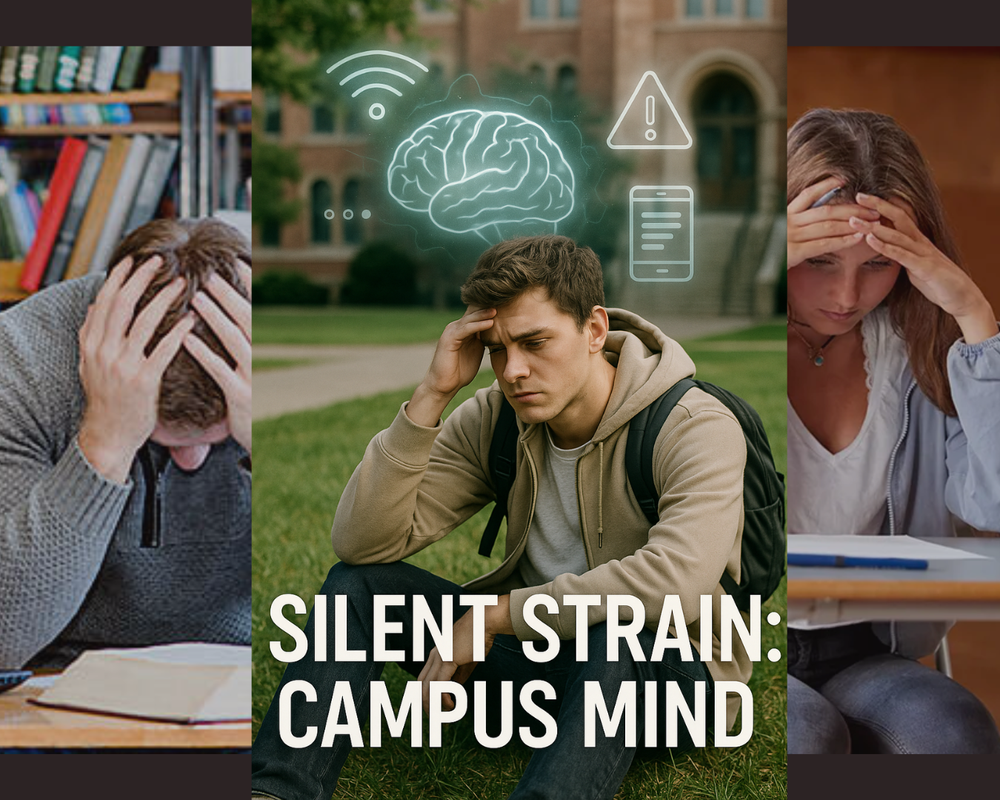
Student depression and anxiety are escalating to crisis levels on campuses nationwide. While academic pressures, financial stress, and social transitions are frequently discussed, a less examined factor quietly exacerbates this crisis: compulsive pornography use. Research reveals troubling connections between pornography consumption and deteriorating mental health among students, mediated by loneliness, shame, and neurological disruption.
The Data Speaks
Multiple studies paint a consistent picture:
Students using pornography daily report depression rates nearly double those of non-users (32% vs 19%) and loneliness at 36% vs 20%.
Among students exhibiting compulsive use, 17% report severe/extreme depression, 20.4% experience clinical anxiety, and 13.5% show high stress levels.
A structural analysis of Iranian students found loneliness mediates 54% of pornography's depressive impact, creating a self-reinforcing cycle.
These figures aren't mere correlations. Neurobiological mechanisms explain them: pornography triggers dopamine surges that provide temporary relief from anxiety but disrupt natural reward pathways. Over time, users develop tolerance, requiring more extreme content for the same effect while experiencing withdrawal symptoms like irritability and low mood when abstaining. This creates a neurological trap where pornography becomes a maladaptive coping mechanism.
The Loneliness Loop
University life, despite its apparent social buzz, can be profoundly isolating. Students struggling with pornography often experience what researchers' term "digital dissociation" – using online content to numb emotional pain, which ironically deepens disconnection. As one study notes:
“By crowding out opportunities for meaningful connection, frequent use exacerbates users' sense of isolation. This isolation then fuels further consumption as a coping mechanism".
The isolation isn't just physical. Students describe feeling "emotionally blank" after sessions, struggling with concentration and academic engagement. This creates academic consequences that compound stress, feeding the very anxiety pornography temporarily alleviates.
The Self-Esteem Crisis
Pornography's curated fantasies breed unrealistic comparisons. Young adults internalize performative standards that distort body image and sexual expectations. As noted in clinical reports:
"Constant exposure to idealized bodies and scenarios cultivates diminished self-worth, particularly when users contrast these depictions with their own lives and relationships".
This is especially damaging during developmental stages when identity formation is crucial. The resulting shame becomes a toxic undercurrent in intimate relationships, where students report performance anxiety and emotional disconnection.
Breaking the Cycle Therapeutic approaches show promise:
Acceptance and Commitment Therapy (ACT) helps students observe urges without acting, building psychological flexibility. BYU's pilot program reduced compulsive behavior by teaching values-based action over impulse.
Cognitive Behavioral Therapy (CBT) targets the "trigger → use → shame" cycle by restructuring thought patterns and developing healthier coping strategies.
Group interventions mitigate isolation by fostering peer support. UT Dallas' Center for Students in Recovery provides community for those feeling alone in their struggle.
Crucially, treatment must address the underlying emotional drivers – often anxiety or trauma – rather than merely suppressing behavior. As therapists note: "Recovery requires replacing pornography's 'digital morphine' with authentic connection and self-compassion".
Toward Healthier Digital Citizenship Addressing this issue demands institutional action:
Campus-wide digital literacy programs framing pornography as a public health issue
Anonymous screening tools identifying at-risk students during routine health visits
The path forward isn't about moralizing but acknowledging neuroscience: what we consume shapes our neural architecture.
For students drowning in silent shame, the greatest intervention may be simple validation – naming their struggle as real, treatable, and unworthy of their self-loathing.
Healing begins when we replace judgment with curiosity, asking not "Why can't you stop?" “What pain feels too overwhelming to face right now?"
In that reframing lies liberation from the shame cycle – and hope for reclaiming both mental health and authentic human connection.
The digital age has transformed how we consume media, connect with others, and manage our mental health. While technology offers countless benefits, it has also introduced new challenges that previous generations never faced. One of the most significant yet often overlooked issues is the widespread accessibility of pornography and its profound impact on emotional well-being.
With internet pornography now just a click away, millions of people—particularly young adults—find themselves struggling with consumption patterns that affect their mental health in ways they never anticipated. Understanding this connection isn't about moral judgment; it's about recognizing how digital habits can influence our psychological state and taking steps to protect our emotional well-being.
The Hidden Mental Health Crisis
Research reveals a troubling connection between pornography consumption and various mental health challenges. Studies consistently show that excessive pornography use correlates with increased rates of depression, anxiety, and stress. What makes this particularly concerning is that many people don't realize the connection between their viewing habits and their emotional struggles.
The connection between pornography consumption and mental well-being forms a self-perpetuating cycle. People often turn to pornography as a way to cope with negative emotions like loneliness, stress, or depression. However, this temporary escape mechanism can actually worsen the underlying emotional issues over time, creating a pattern that becomes increasingly difficult to break.
Statistics reveal a concerning pattern: over half of men (56%) admit to using pornography specifically to relieve stress and unwind. While this might seem harmless on the surface, the long-term psychological effects can be significant and far-reaching.
How Pornography Affects Your Brain
Understanding the neurological impact of pornography consumption is crucial for recognizing why it can become problematic. Pornography triggers the brain's reward system, flooding it with dopamine—the same neurotransmitter involved in other addictive behaviors.
The Brain's Response Process:
When someone views pornography, their brain experiences an unnaturally high surge of dopamine. With repeated exposure, the brain develops tolerance to heightened dopamine, needing increasingly intense content to produce the same rewarding effect. This process, known as tolerance, can lead to escalating consumption patterns and decreased sensitivity to natural rewards.
For adolescents and young adults, this impact is particularly pronounced. Because the adolescent brain is still undergoing critical development, it is particularly susceptible to forming enduring behavioral patterns and neural associations. During this critical period, exposure to pornography can alter neural pathways that influence emotional regulation, social interaction, and relationship formation for years to come.
The Emotional Toll: Depression and Anxiety
The connection between pornography consumption and mood disorders is well-documented in scientific literature. Regular viewers often experience increased symptoms of depression and anxiety, though the relationship is complex and multifaceted.
Depression-Related Effects
Pornography consumption can contribute to depression through several mechanisms:
Self-esteem erosion: Constant exposure to unrealistic sexual scenarios can create feelings of inadequacy and low self-worth
Social isolation: Heavy consumption often leads to withdrawal from real-world relationships and social activities
Guilt and shame cycles: Many users experience moral conflicts about their viewing habits, leading to persistent negative self-perception
Emotional numbness: Over time, the brain's reward system becomes less responsive to natural pleasures, contributing to anhedonia—a key symptom of depression
Anxiety Manifestations
Pornography-related anxiety can present itself in diverse forms, including performance fears, body image concerns, compulsive viewing habits, and social withdrawal fueled by guilt or shame:
Performance anxiety: Unrealistic expectations about sexual performance can create significant stress in intimate relationships
Body image concerns: Constant comparison to pornographic imagery can trigger anxiety about physical appearance
Compulsive behaviors: The inability to control viewing habits can generate anxiety about loss of self-control
Social anxiety: Shame about consumption habits can lead to avoidance of social situations and relationships
The Isolation Factor
One of the most damaging aspects of problematic pornography use is its tendency to increase social isolation. Users often report feeling disconnected from others, struggling to form meaningful relationships, and experiencing difficulty with emotional intimacy.
This isolation creates a vicious cycle: loneliness drives pornography consumption, which in turn increases feelings of disconnection from others. The artificial nature of pornographic content doesn't provide the genuine human connection that people crave, leaving them feeling more isolated than before.
Warning Signs of Isolation Include:
Preferring online sexual content over real-world relationships
Difficulty forming emotional connections with others
Withdrawal from family and friends
Decreased interest in social activities
Feeling misunderstood or unable to relate to others
Breaking the Cycle: Practical Recovery Strategies
Recovery from problematic pornography use requires a comprehensive approach that addresses both the behavioral patterns and underlying emotional issues. The good news is that with the right strategies and support, people can successfully overcome these challenges and restore their emotional well-being.
Professional Support Options
Cognitive Behavioral Therapy (CBT) has proven particularly effective for addressing pornography-related issues. CBT helps individuals identify triggers, develop healthier coping mechanisms, and change negative thought patterns that contribute to compulsive behaviors.
Specialized therapy approaches include:
Individual counseling focused on addiction recovery
Group therapy sessions with others facing similar challenges
Couples therapy to address relationship impacts
Trauma-informed therapy for those with underlying emotional wounds
Building Healthy Coping Mechanisms
Replacing pornography with healthier stress-relief methods is essential for long-term recovery. Effective alternatives include:
Physical Activities:
Regular exercise to boost natural endorphin production
Outdoor activities that provide fresh air and sunlight
Sports or fitness classes that offer social interaction
Mindfulness Practices:
Meditation to improve emotional regulation
Deep breathing exercises for stress management
Progressive muscle relaxation techniques
Journaling to process emotions and identify triggers
Social Connections:
Rebuilding relationships with family and friends
Joining support groups or community organizations
Engaging in volunteer work or meaningful activities
Developing hobbies that involve social interaction
Creating Environmental Safeguards
Digital boundaries are crucial for recovery success:
Installing content filtering software on all devices
Removing or limiting access to triggering apps and websites
Creating accountability partnerships with trusted friends or family members
Establishing specific times and locations for internet use
Lifestyle modifications that support recovery include:
Maintaining regular sleep schedules
Avoiding isolation, especially during vulnerable times
Creating structured daily routines
Engaging in meaningful work or educational pursuits
The Path Forward: Hope and Healing
Recovery from pornography-related mental health issues is absolutely possible, though it requires patience, commitment, and often professional support. Many people successfully overcome these challenges and go on to develop healthier relationships with technology, sexuality, and their own emotional well-being.
Key factors for successful recovery include:
Acknowledging the problem without shame or self-judgment
Seeking appropriate professional help when needed
Building a strong support network of trusted individuals
Establishing constructive methods to navigate stress and emotional turbulence
Being patient with the recovery process and expecting setbacks
Recovery naturally includes setbacks these aren't failures but expected milestones in the healing process. Rather than viewing relapses as failures, they can be opportunities to learn more about triggers and strengthen coping strategies.
The final word
The relationship between pornography consumption and mental health represents one of the most significant yet under-discussed challenges of our digital age. As we've explored, the impacts extend far beyond momentary viewing habits, affecting brain chemistry, emotional regulation, relationship formation, and overall psychological well-being.
Understanding these connections empowers individuals to make informed decisions about their digital consumption and seek help when needed. Whether you're personally struggling with these issues or supporting someone who is, remember that recovery is possible with the right approach and support.
The key is recognizing that seeking help isn't a sign of weakness—it's a courageous step toward reclaiming your mental health and building a more fulfilling life. In our interconnected world, taking control of our digital habits isn't just about personal well-being; it's about creating healthier communities and relationships for everyone.
If you're struggling with these issues, consider reaching out to a mental health professional who specializes in digital wellness and addiction recovery. Your emotional well-being is worth the investment, and with proper support, you can develop a healthier relationship with technology while protecting your mental health for years to come.
In the quiet spaces between our public selves and private struggles, we often encounter behaviors that serve as both refuge and burden. Among these, the consumption of adult digital content represents one of modern psychology's most complex phenomena—a territory where immediate relief intersects with long-term psychological patterns in ways that deserve our thoughtful attention rather than our swift judgment.
The Paradox of Seeking Solace
Like a person seeking warmth by a fire that may eventually consume the very shelter they're trying to protect, individuals often turn to adult content as a form of emotional regulation that carries unintended consequences. Research reveals a fascinating paradox: while many people initially engage with such material to alleviate stress, anxiety, or depression, the very mechanism they hope will provide relief may, over time, contribute to the persistence of these challenges.
The psychological landscape here is neither black nor white, but rather painted in complex shades that reflect our fundamental human need for connection, pleasure, and escape from emotional pain. Recent longitudinal studies suggest that problematic patterns of use remain remarkably stable over time and maintain strong associations with psychological distress. This stability points to something deeper than mere habit—it suggests an intricate dance between our emotional needs and the tools we use to meet them.
The Neurochemical Theater of Relief
To understand this phenomenon, we must first appreciate the neurochemical theater that unfolds when someone engages with adult content. The brain's reward system, that ancient architecture designed to motivate survival behaviors, responds with a surge of dopamine—our internal currency of pleasure and motivation. In moments of stress or emotional turmoil, this neurochemical response can feel like a balm, temporarily lifting mood and providing respite from psychological pain.
Yet herein lies the delicate balance that concerns mental health professionals. The brain's reward circuitry, when repeatedly overstimulated, may begin to require increasingly intense stimulation to achieve the same relief. This tolerance effect can gradually erode the very neurochemical foundations of natural motivation and mood regulation, creating a cycle where the solution becomes part of the problem.
Think of it as borrowing emotional currency from tomorrow to pay for today's distress. The transaction feels beneficial in the moment, but the compound interest of this neurochemical debt can accumulate in ways that impact long-term emotional resilience.
The Landscape of Motivation
Understanding why people engage with adult content reveals a surprisingly diverse motivational landscape. Research identifies eight primary motivations: sexual pleasure, sexual curiosity, emotional distraction, stress reduction, fantasy exploration, boredom avoidance, addressing lack of sexual satisfaction, and self-exploration. This diversity challenges simplistic narratives and invites us to recognize the multifaceted nature of human sexual and emotional needs.
Perhaps most revealing is the finding that stress reduction, emotional distraction, and boredom avoidance show the strongest associations with problematic patterns of use. These motivations speak to fundamental challenges in emotional regulation the difficulty many people face in sitting with uncomfortable feelings or finding healthy ways to manage life's inevitable stresses.
When we examine these motivations through a therapeutic lens, we see individuals attempting to self-soothe, seeking what psychologists call "experiential avoidance" the natural human tendency to escape difficult internal experiences. The challenge lies not in the desire for relief itself, which is entirely understandable, but in the long-term effectiveness and consequences of the chosen coping mechanism.
The Gender Dimensions of Digital Coping
The psychological impact of adult content consumption manifests differently across gender lines, reflecting broader patterns of socialization and emotional expression. Research indicates that women who engage with such content may experience amplified body image concerns and attachment insecurities, particularly if they have histories of emotional deprivation or insensitive caregiving. The idealized bodies and performances depicted can create pressure and comparison that extends into intimate relationships.
For men, the patterns often relate more directly to emotional regulation and stress management, though they too face challenges around unrealistic expectations and potential impacts on motivation and decision-making abilities. The research suggests that across all demographics, the content can influence how individuals perceive themselves, their relationships, and their capacity for emotional connection.
The Resilience Question
Mental resilience: our capacity to bounce back from stress, adapt to challenges, and maintain psychological equilibrium appears to be influenced by adult content consumption in complex ways. Short-term use may provide temporary mood elevation, but longitudinal patterns suggest that problematic consumption correlates strongly with persistent anxiety and depression.
The resilience impact operates on multiple levels. Neurologically, repeated overstimulation can alter the brain's natural capacity to generate pleasure and motivation from everyday activities. Emotionally, relying on external stimulation for mood regulation may impede the development of internal coping skills. Socially, problematic use patterns can contribute to isolation and relationship difficulties.
Yet it's crucial to recognize that resilience is not simply about avoiding certain behaviors it's about developing a rich toolkit of coping strategies, emotional awareness, and social connections that can sustain us through life's inevitable challenges.
A Therapeutic Perspective on Healing
From a therapeutic standpoint, addressing problematic patterns requires compassion rather than condemnation. The individuals who find themselves caught in cycles of use and distress are often demonstrating remarkable creativity in their attempts to manage psychological pain, even if the solutions they've found aren't serving them well in the long term.
Effective therapeutic approaches focus on understanding the underlying emotional needs that drive the behavior, rather than simply trying to eliminate the behavior itself. This might involve developing alternative stress management techniques, addressing underlying trauma or attachment issues, improving emotional regulation skills, or working on relationship and intimacy concerns.
The goal is not to shame or pathologize, but to expand the individual's capacity for self-care and emotional resilience. Sometimes this means exploring why certain content provides comfort, examining what healthy intimacy looks like, or developing practices that can provide sustainable pleasure and connection.
Moving Toward Understanding
As we navigate this complex terrain, perhaps the most important insight is that human sexuality and emotional regulation exist on a spectrum of health and dysfunction. Adult content consumption, like many behaviors, can range from occasional recreational use with minimal impact to compulsive patterns that significantly interfere with well-being and relationships.
The research suggests that the key factor is not simply frequency of use, but the relationship between use and psychological distress, the motivations driving consumption, and the impact on overall life functioning. This nuanced understanding invites us to move beyond moralistic judgments toward evidence-based approaches to mental health and well-being.
In our digital age, fostering resilience means developing media literacy, emotional intelligence, and healthy coping strategies that can sustain us through both ordinary stress and extraordinary challenges. It means creating spaces for honest dialogue about sexuality, mental health, and the tools we use to navigate our inner lives.
Most importantly, it means recognizing that behind every pattern of behavior is a human being deserving of understanding, support, and the opportunity to develop healthier ways of meeting their fundamental needs for connection, pleasure, and emotional well-being.